

Headless commerce, built for speed.
Ultra-fast, API-driven storefronts built with React, Next.js and modern PWA frameworks, on the commerce engine that suits your business.
Why go headless
Your storefront, freed from the theme.
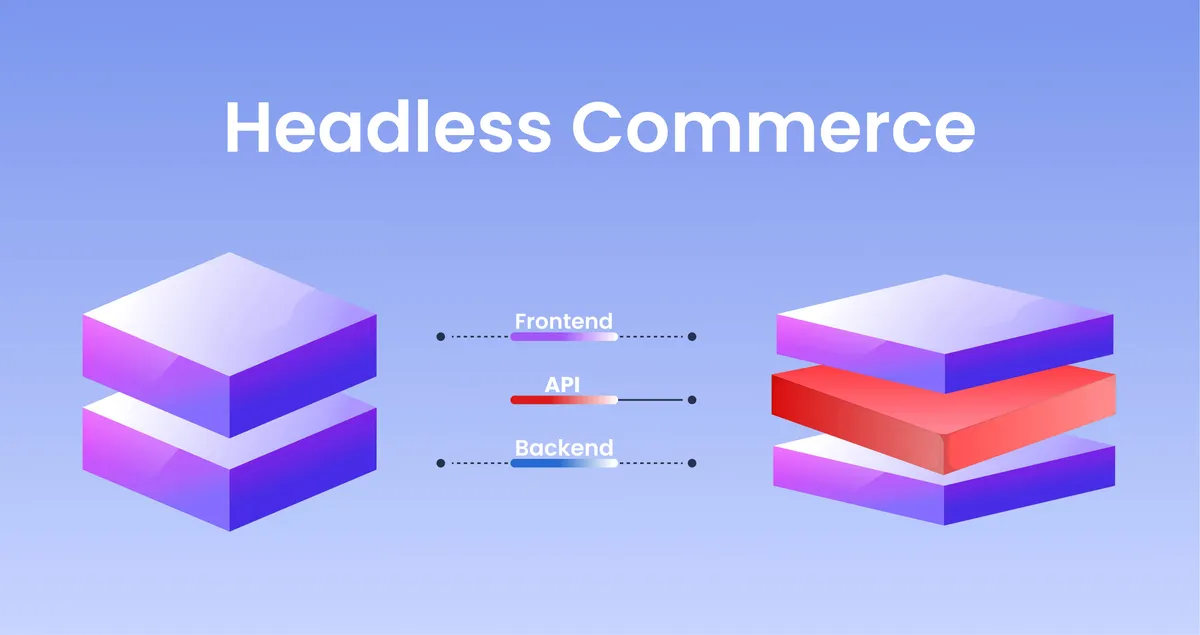
Headless separates what customers see from the commerce engine behind it. The platform keeps handling products, carts, orders and payments; the storefront becomes a fast, custom application you control.
Speed by design
Pages are pre-rendered and served close to the shopper, with only the code each page needs.
Design without limits
No theme constraints. Product pages, bundles and editorial layouts are built exactly as designed.
One backend, every channel
The same catalogue, prices and stock power the web store, apps, in-store screens and marketplaces.
Swap parts, not platforms
Search, CMS, reviews or payments can change on their own, so one upgrade doesn't mean a full replatform.

Headless isn't for every store. Here's when it pays off.
It adds moving parts and a front end to look after. If a well-built theme on your current platform would serve you better, we'll say so.

Brands that sell through stories
When campaigns, lookbooks and editorial matter as much as the product grid, a headless CMS lets your team publish rich pages without waiting on developers or slowing the store down.
- Headless CMS for campaigns and editorial pages
- Visual page building for marketing teams
- Products and content mixed on one page
- Preview before publishing

Several brands, regions or storefronts
One commerce engine can serve several storefronts, each with its own design, language, currency and catalogue rules, while sharing components and code underneath.
- Shared component library across storefronts
- Localised content, pricing and currency
- Region-aware routing and SEO
- One codebase, many brands

Buying journeys a theme can't handle
Configurators, subscriptions, trade accounts, quotes and bundles often need flows the platform's themes can't express. A custom front end can.
- Product configurators and custom bundles
- Subscription and reorder flows
- B2B accounts, price lists and quotes
- Custom cart logic within platform rules

Stores that have hit the theme ceiling
Apps, scripts and theme workarounds pile up until every change is slow and risky. Going headless keeps the platform and replaces the layer that's holding you back.
- Audit of apps, scripts and theme code
- Incremental move, page type by page type
- Platform admin kept for your team
- Performance budgets from day one
Four rules behind every headless build.
1. Speed first

We set performance budgets at the start and check them on every release, so the store stays fast as features are added.
2. Editors first
Marketing and merchandising teams should launch pages and campaigns without a developer. We model content around how your team works.
3. Composable

Each service sits behind a clean interface, so search, CMS or payments can be replaced later without rewriting the storefront.
4. Yours to own
Documented code in your repositories and your cloud accounts. Your team, or anyone you choose, can pick it up after launch.

Everything between the shopper and the commerce engine.
We design and build the storefront and the architecture around it, then connect it to the platform you already run, or help you choose one.
01
Headless storefronts
Custom front ends built with React and Next.js, rendered ahead of time or at the edge, on a design system your team can extend.
- Next.js, Remix or Shopify Hydrogen storefronts
- Static, server and edge rendering per page type
- Design systems and component libraries
- Core Web Vitals tracked on every release
- SEO-ready markup, metadata and structured data
02
Progressive web apps
App-like shopping on the mobile web: installable, quick on patchy connections and able to keep the cart and recent products to hand.
- Installable PWA storefronts
- Service workers and offline caching
- Web push where it adds value
- One codebase shared with the desktop store
03
Commerce architecture
We choose and connect the pieces, from commerce engine and CMS to search and payments, with clear contracts between them. Deeper API and middleware work sits with our API & Headless Systems team.
- Platform selection and fit assessment
- Headless CMS and content modelling
- Search, merchandising and personalisation services
- Caching, CDN and hosting strategy
04
Custom commerce features
When the platform doesn't do what your business needs, we build it: configurators, custom checkout steps, account areas and trade portals.
- Product configurators and bundle builders
- Custom checkout steps within platform rules
- Customer accounts, wishlists and reorders
- B2B portals, price lists and quick order




Modern frameworks. Proven commerce engines.
We pick the stack for the project, not the other way round, and favour tools with strong communities and clear upgrade paths.
Front-end frameworks
Where the storefront lives.
- React
- Next.js
- Remix
- Shopify Hydrogen
- TypeScript
- Tailwind CSS
Commerce engines
Products, carts, orders and payments.
- Shopify Plus
- BigCommerce
- Adobe Commerce
- commercetools
- Medusa
Content
Pages your team can edit.
- Contentful
- Sanity
- Storyblok
- Prismic
Search and discovery
Help shoppers find things.
- Algolia
- Constructor
- Klevu
- Typesense
Hosting and delivery
Fast wherever shoppers are.
- Vercel
- Netlify
- Cloudflare
- AWS
Quality
Keep it fast and working.
- Lighthouse CI
- Playwright
- Sentry
- WebPageTest
Already on a platform? We build on what you have.
Frequently asked questions about headless commerce.
Headless works best on the right foundations.


Find out if headless is right for your store.
Tell us about your platform, your traffic and what's slowing you down. We'll give you a straight answer on whether headless is worth it, and what it would take.
No obligation. Just a straight answer.